
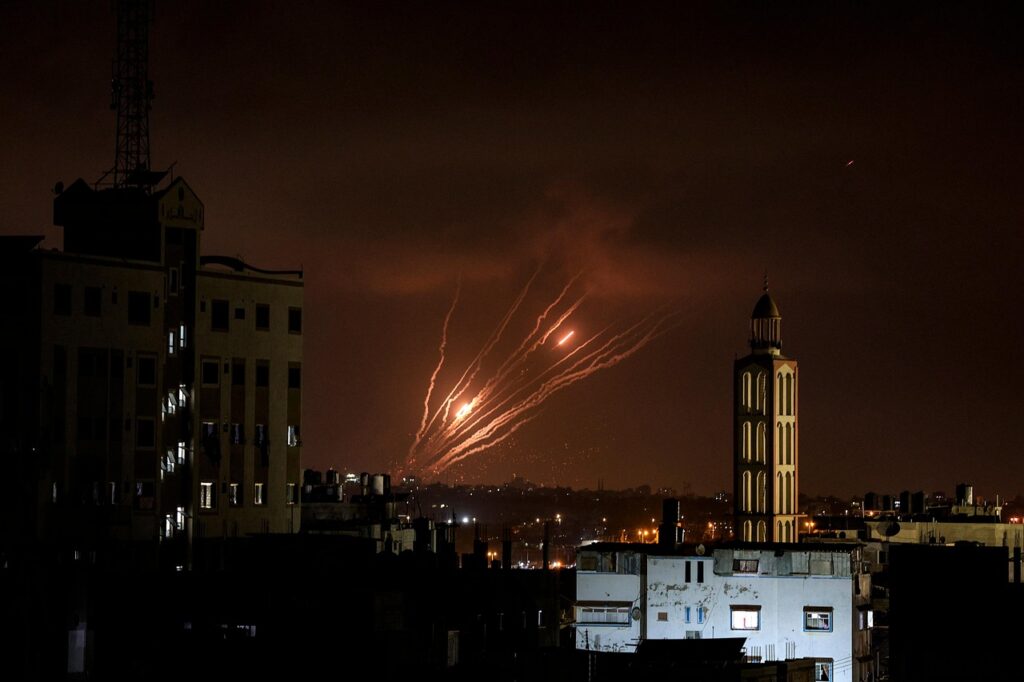

In May, Israel launched a large-scale operation involving land, air, and naval forces to gain full control over key areas of Gaza. Heavy urban combat and airstrikes caused significant civilian losses and infrastructure damage. Regional tensions escalated, drawing in international responses. By late June, a new ceasefire was accepted, halting major hostilities but leaving deep humanitarian and political crises in place.
The issue of hostages has been a central and deeply emotional aspect of the Gaza conflict. Hundreds of individuals, including civilians and soldiers, have been taken captive, leading to widespread fear, trauma, and prolonged uncertainty for families. Some hostages have been released through negotiated exchanges, while others remain missing or in captivity. The situation has drawn intense international attention and added urgency to calls for humanitarian access and resolution.
The ongoing conflict in Gaza has resulted in a high number of casualties, including both combatants and civilians. Thousands of people have been killed or injured, with children, women, and the elderly among the most vulnerable. The scale of destruction has overwhelmed hospitals and humanitarian services, deepening the crisis. Civilian suffering has sparked international concern and calls for greater protection under international law.
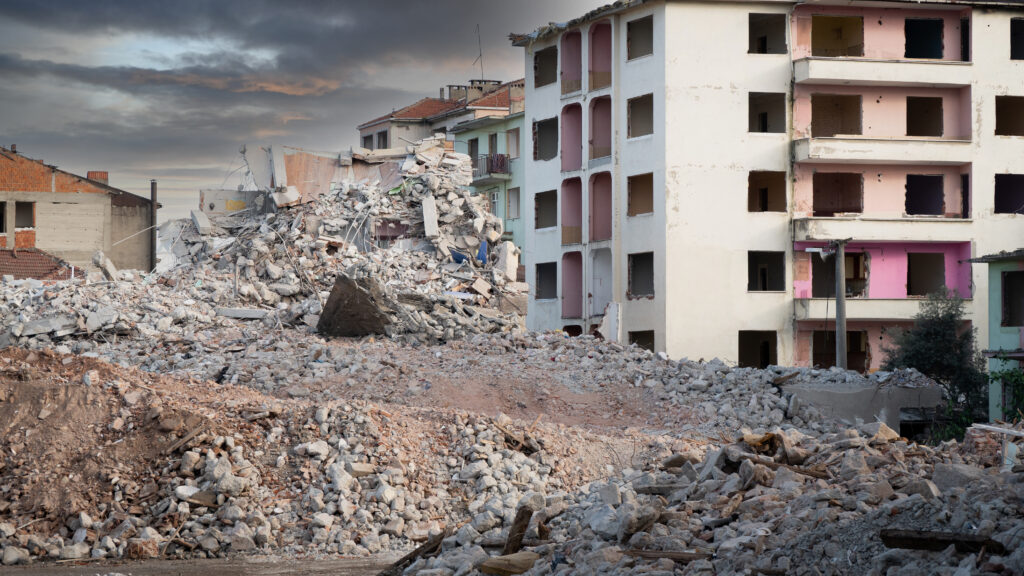
The conflict in Gaza has caused widespread devastation, destroying homes, schools, hospitals, and vital infrastructure. Entire neighborhoods have been reduced to rubble, displacing hundreds of thousands of people. Access to water, electricity, and medical care has become severely limited. The scale of destruction has raised urgent concerns about long-term recovery and humanitarian relief.
International humanitarian law, also known as the law of armed conflict, governs the conduct of war and the protection of civilians. The main sources are the Geneva Conventions, their Additional Protocols, and customary international law. These rules apply to all parties in both international and non-international armed conflicts
In the context of Gaza, international humanitarian law requires that civilians and civilian infrastructure must not be targeted, and that all military operations must follow the principles of distinction, proportionality, and necessity. Targeting densely populated areas, unless for a legitimate military purpose with precautions to avoid harm to civilians, may constitute a war crime. Similarly, the use of human shields, indiscriminate rocket fire, or hostage-taking also violates international humanitarian law.
Furthermore, international human rights law continues to apply during armed conflicts, although some rights may be limited under emergency conditions. International bodies such as the International Criminal Court and the United Nations may investigate alleged violations, and states have a duty to prosecute serious breaches under the principle of universal jurisdiction.
Ongoing investigations and legal debates surround whether specific actions by either side in the Gaza conflict meet or violate these legal standards. Accountability under international law aims not only to punish wrongdoing but also to deter future violations and protect civilians.
