
Current Conflict
Chonology
Phase 1: Outbreak and Initial Ceasefire (Oct 2023 – Jan 2025)
Phase 2: Ceasefire Collapse and Renewes Fighting (Mar-Apr 2025)
Phase 3:
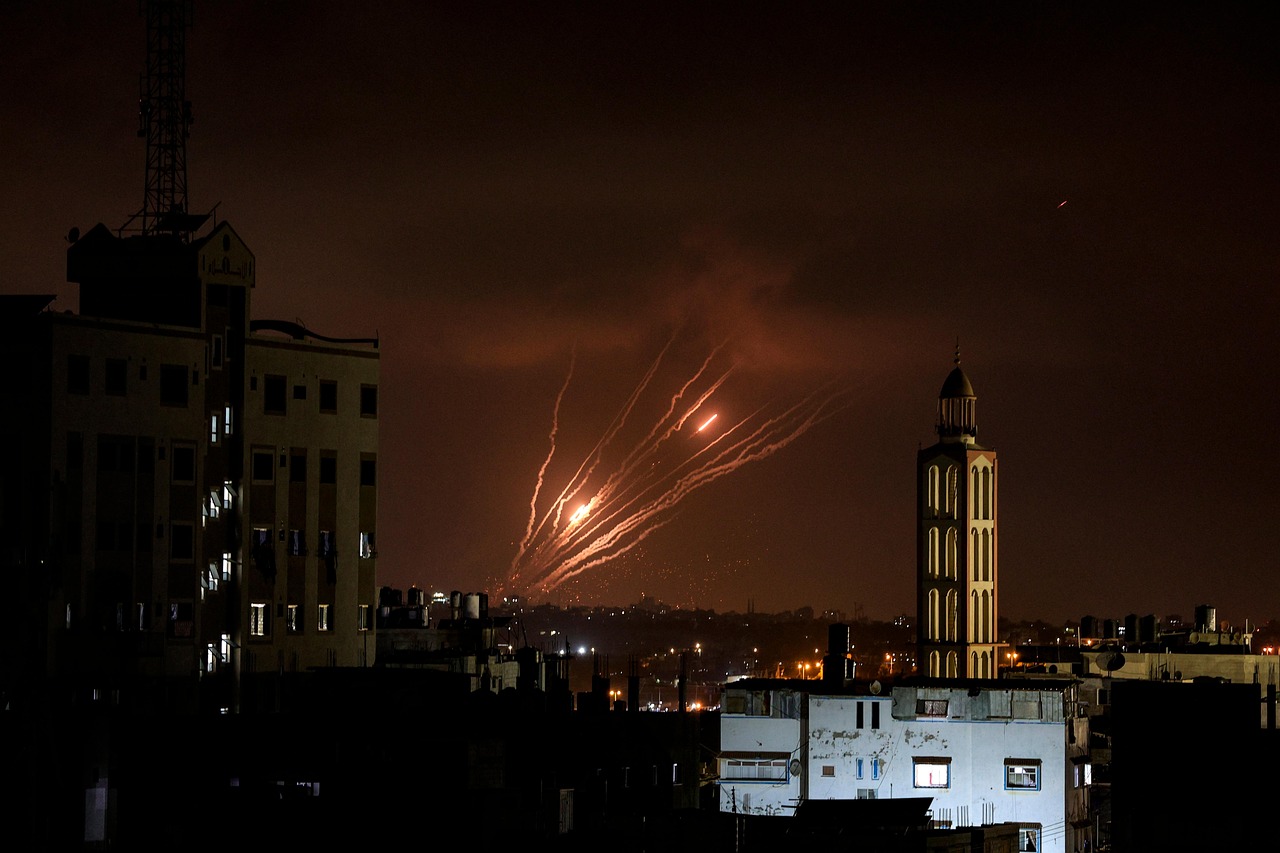
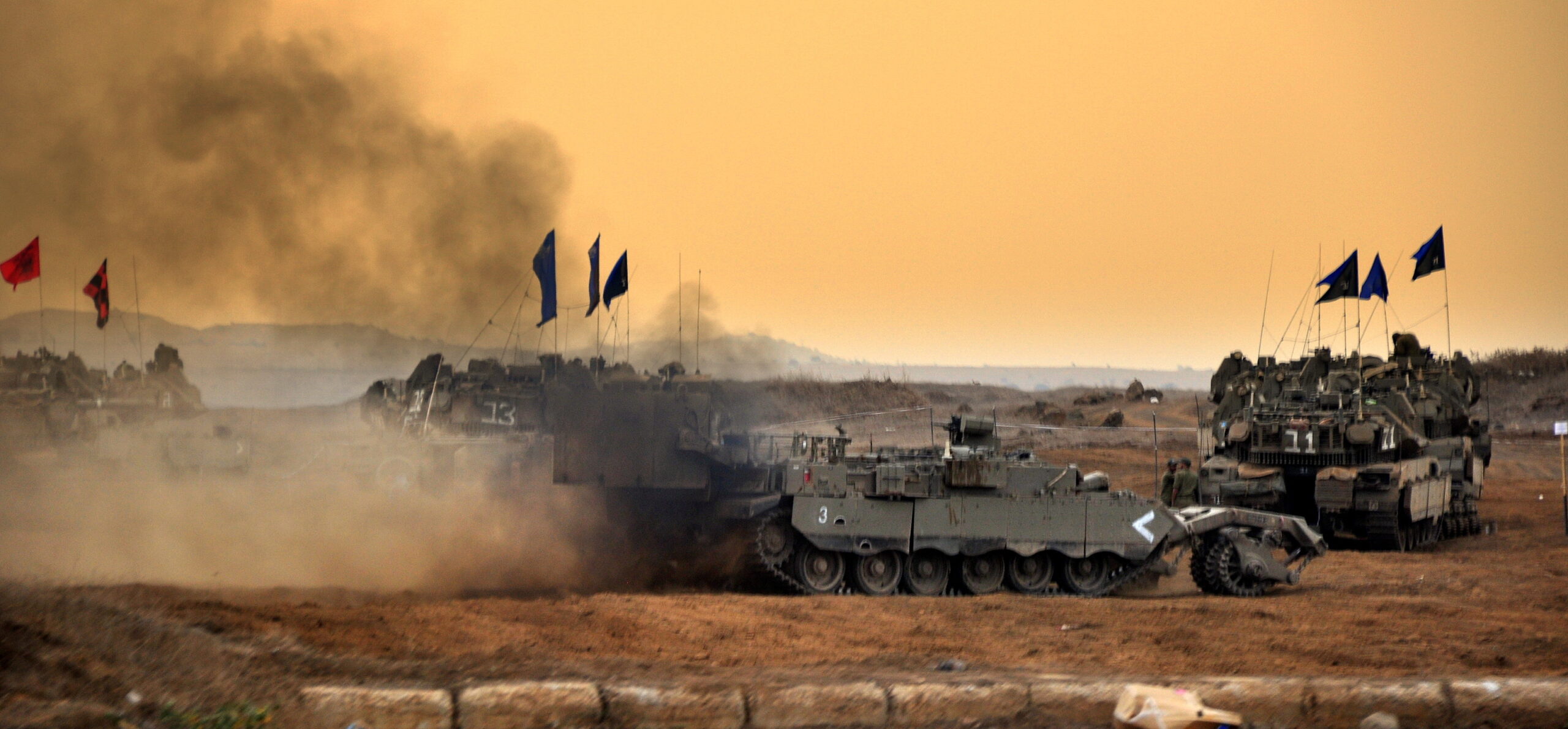
In May, Israel launched a large-scale operation involving land, air, and naval forces to gain full control over key areas of Gaza. Heavy urban combat and airstrikes caused significant civilian losses and infrastructure damage. Regional tensions escalated, drawing in international responses. By late June, a new ceasefire was accepted, halting major hostilities but leaving deep humanitarian and political crises in place.
Hostages
On October 7, 2023, Hamas and other militant Palestinian groups crossed the border into Israel, killing more than 1,200 people and kidnapping approximately 240 people. Israeli military forces responded with an unprecedented military campaign that became the years-long Gaza War (United Nations Security Council Briefings, 2023; Office for the Coordination of Humanitarian Affairs, 2023).
Casualties
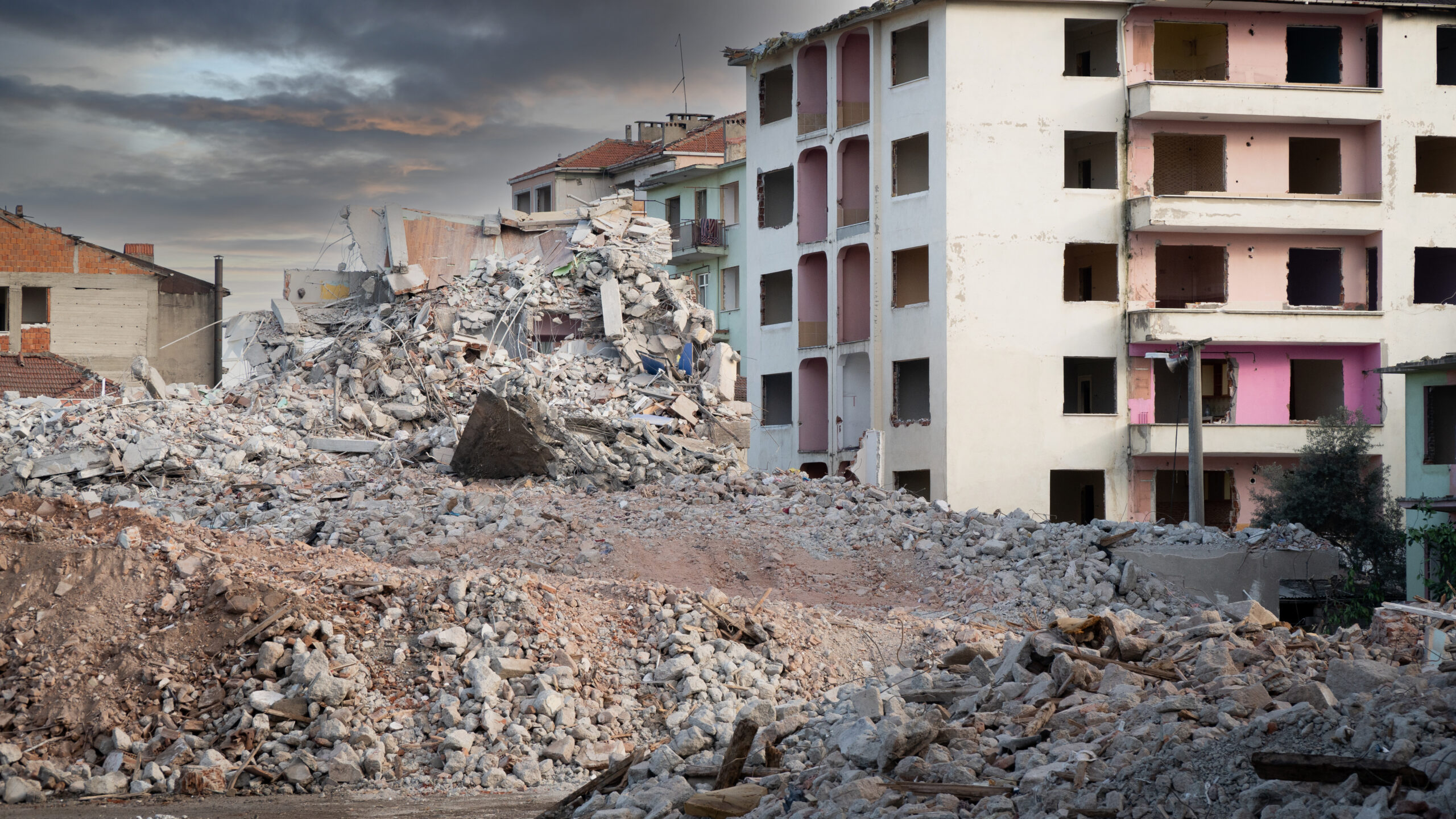
On October 7, 2023, Hamas and other militant Palestinian groups killed more than 1,200 people in Israel. As of May 21, 2025, the ensuing Gaza War had claimed the lives of at least 53,655 Palestinians and wounded 121,950, leaving the Gaza Strip in a state of total destruction and humanitarian catastrophe (United Nations Office for the Coordination of Humanitarian Affairs [OCHA], 2025).
Devastation
The Gaza War has left the Gaza Strip in a state of total destruction and humanitarian catastrophe; health and educational institutions have been destroyed and are no longer functioning. In its wake, further fragmentation of the Palestinian territories — and even the complete displacement of Palestinians from the occupied territories — is being promoted by major factions of the Israeli political and societal spectrum, while settler and military violence has dramatically increased in the West Bank.
International Law
International humanitarian law, also known as the law of armed conflict, governs the conduct of war and the protection of civilians. The main sources are the Geneva Conventions, their Additional Protocols, and customary international law. These rules apply to all parties in both international and non-international armed conflicts.
In the context of Gaza, international humanitarian law requires that civilians and civilian infrastructure must not be targeted, and that all military operations must follow the principles of distinction, proportionality, and necessity. Targeting densely populated areas, unless for a legitimate military purpose with precautions to avoid harm to civilians, may constitute a war crime. Similarly, the use of human shields, indiscriminate rocket fire, or hostage-taking also violates international humanitarian law.
Furthermore, international human rights law continues to apply during armed conflicts, although some rights may be limited under emergency conditions. International bodies such as the International Criminal Court and the United Nations may investigate alleged violations, and states have a duty to prosecute serious breaches under the principle of universal jurisdiction.
Ongoing investigations and legal debates surround whether specific actions by either side in the Gaza conflict meet or violate these legal standards. Accountability under international law aims not only to punish wrongdoing but also to deter future violations and protect civilians.