The taking of hostages has become one of the most painful and complex aspects of the ongoing conflict. During escalations, both sides have accused each other of capturing civilians or combatants, often under highly traumatic circumstances. In recent events, numerous hostages were taken from Israeli territory into Gaza, including women, children, and the elderly. Their prolonged captivity has created deep fear, public outrage, and intense pressure on political and military leadership.
Hostage situations have led to international mediation efforts and limited ceasefires aimed at securing releases. Some hostages have been freed through negotiated exchanges, while others remain missing or in captivity. Families of hostages continue to demand answers and justice, often becoming powerful voices in national debates. The issue of hostages reflects the deeply personal cost of the conflict and the urgent need for humanitarian solutions grounded in international law.
Casualties
Casualties remain one of the most tragic and visible consequences of the ongoing conflict between Israelis and Palestinians, especially in Gaza. Thousands of people have been killed or injured, including many civilians, among them children, women, and the elderly. The repeated cycles of violence have caused immense human suffering on both sides, with densely populated areas in Gaza often experiencing the highest toll.
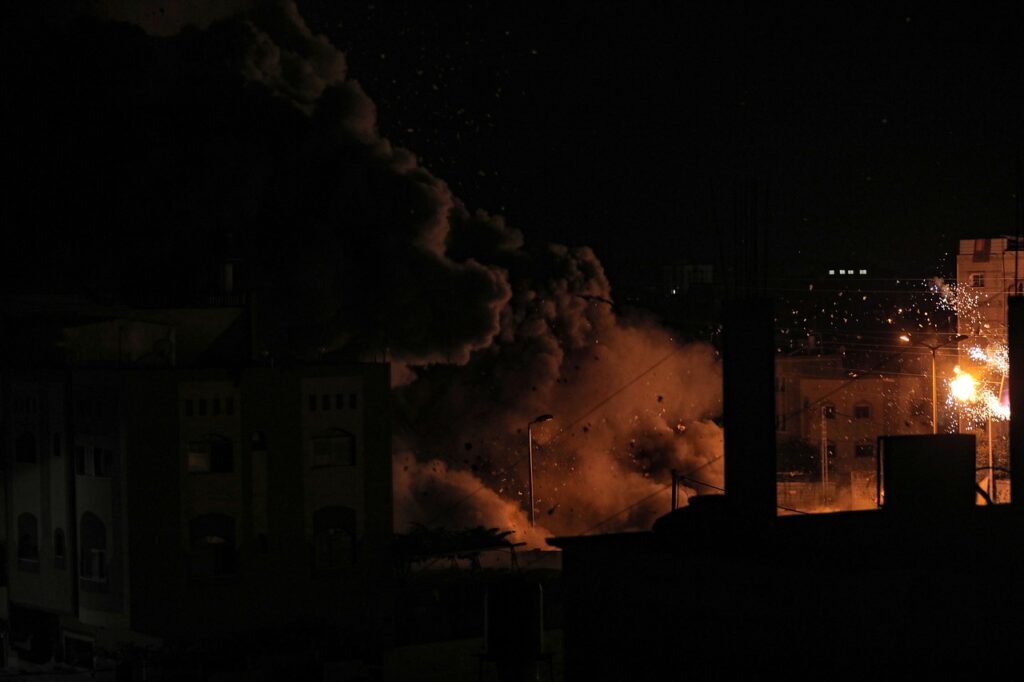
Airstrikes, artillery fire, and urban combat have led to widespread destruction and mass casualties. In Gaza, the limited capacity of hospitals, shortages of medical supplies, and the destruction of health infrastructure have made it difficult to care for the wounded. Civilian deaths frequently occur in homes, schools, and shelters, raising international concern over the protection of non-combatants under international law.
Devastation
The conflict has caused massive devastation, particularly in Gaza, where repeated airstrikes, shelling, and ground operations have destroyed entire neighborhoods. Residential buildings, schools, hospitals, mosques, and infrastructure have been severely damaged or completely reduced to rubble. The destruction of water systems, electricity networks, and roads has left civilians without basic services and made humanitarian access extremely difficult.
Thousands of families have been displaced, many forced to live in overcrowded shelters or makeshift tents. The psychological toll of destruction, especially on children, is severe and long-lasting. Rebuilding efforts are often delayed or blocked by ongoing hostilities and political restrictions. The scale of physical damage highlights the long-term consequences of the conflict and the urgent need for reconstruction, protection of civilians, and lasting peace.